Wood Pulp Cup Paper vs Kraft Paper vs Bamboo Paper: Which is better?
In the paper cup manufacturing and food packaging industry, material selection plays a crucial role in determining product performance, branding effect, and overall cost efficiency. Among the most widely used materials today are cup paper (wood pulp-), kraft paper, and bamboo paper. With increasing environmental awareness and evolving market demands, bamboo pulp paper has also started gaining attention as a sustainable alternative.
Each material offers distinct advantages in appearance, structure, and application. Understanding these differences helps manufacturers and brand owners choose the right solution for their target market—balancing cost control, product quality, and competitive positioning in the paper cup industry.
1. Wood Pulp White Cup Paper: The Standard for Premium Branding
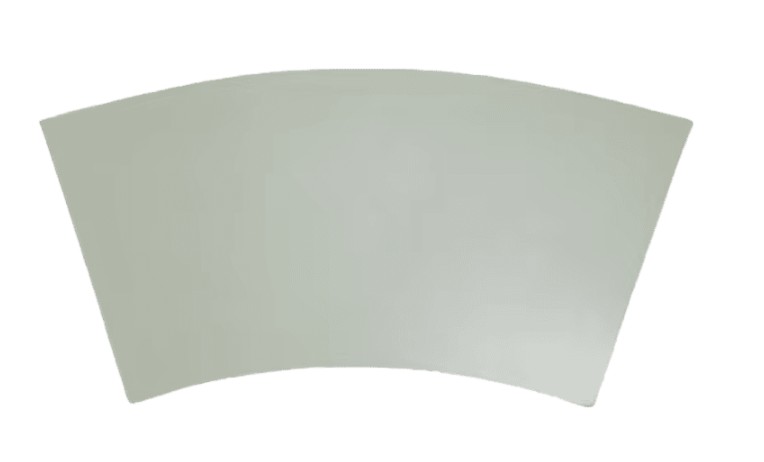
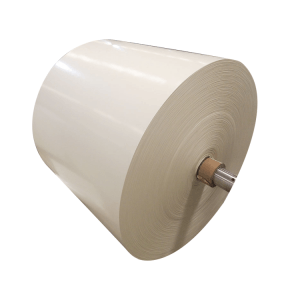
Wood pulp white cup paper is produced from bleached virgin wood pulp. It features a clean, bright white surface with high smoothness and excellent color reproduction ability. Because of these properties, it is one of the most commonly used materials in paper cup production, especially for branded food and beverage packaging.
Key Features
Bright white and smooth surface,Excellent printing performance,Food-grade safety compliance,Ideal for brand customization and high-end visuals
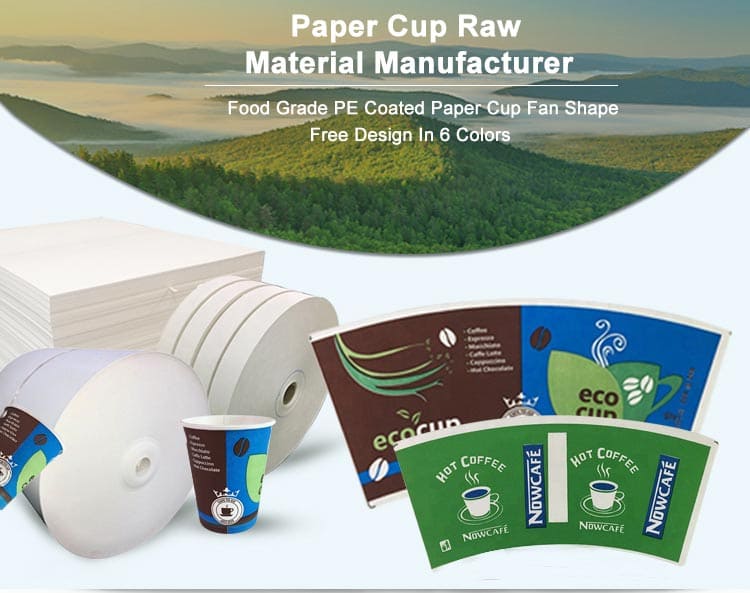
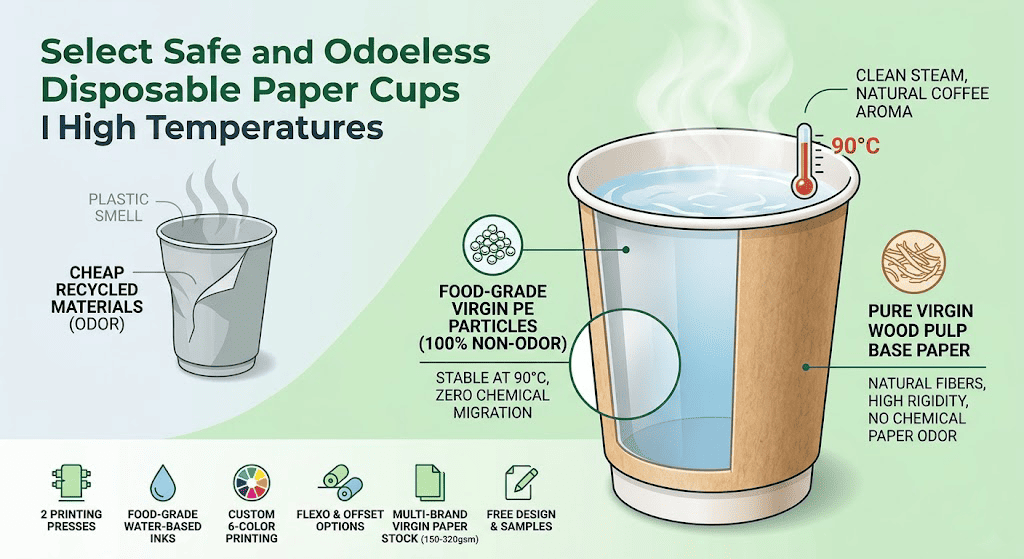
To ensure safety and functionality, white cup paper is typically coated with PE or PLA lamination, making it resistant to water and oil. This structure is widely used in daily beverage packaging such as coffee cups, takeaway cups, and fast-food containers.
From a branding perspective, white cup paper provides the best “blank canvas” for high-resolution printing. In Nanning Dihui Paper Products Co., Ltd., we often support customers who require premium visual impact by using flexible printing solutions, including 6-color flexographic and offset printing systems. This allows brands to achieve sharp logo presentation and consistent color reproduction across different cup sizes.
2. Kraft Paper: Strength and Natural Appeal
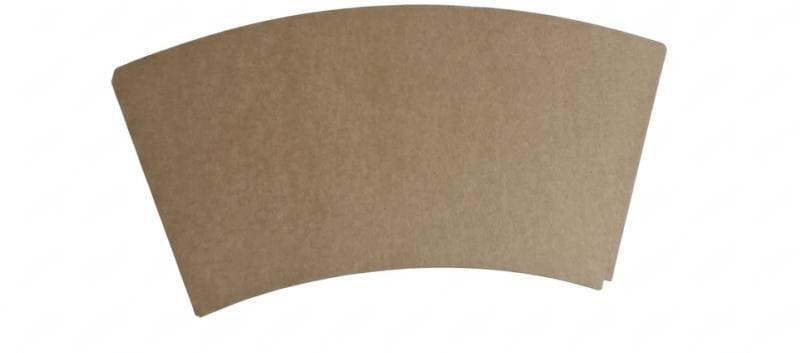
Kraft paper is made from unbleached wood pulp processed through the sulfate method. Unlike white cup paper, it retains a natural brown color, which has become a strong visual identity in eco-friendly packaging markets.
Key Features:
Natural brown or earthy tone,High strength and tear resistance,Strong eco-friendly and rustic image,Long fiber structure for durability
Kraft paper is well known for its mechanical strength. The long fibers make it highly resistant to tearing, which is especially important in takeaway packaging and heavier food applications. It is widely used in paper bowls, lunch boxes, and takeaway containers, in addition to paper cups.
In terms of market positioning, kraft paper is often associated with “natural” and “sustainable” branding. Many food brands choose it to emphasize organic ingredients or environmentally responsible packaging.
From a manufacturing perspective, kraft paper is also relatively flexible in GSM selection. In our production practice, we supply kraft paper in the range of 150–320gsm depending on application requirements, allowing customers to balance rigidity and cost.
3. Bamboo Paper: The Rising Eco-Friendly Alternative
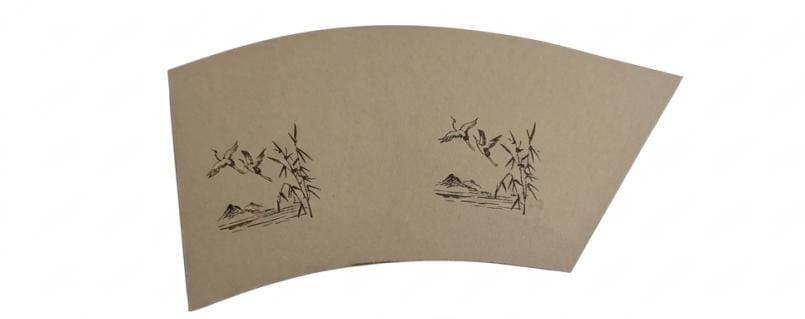
Bamboo pulp paper is made from bamboo, a fast-growing renewable resource. Compared to traditional wood pulp, bamboo grows much faster and requires fewer forest resources, making it one of the most promising eco-friendly alternatives in the packaging industry.
Key Features:
Naturally renewable and fast-growing raw material,Slight antibacterial properties due to bamboo kun,Good structural strength and rigidity,Lower environmental impact compared to wood pulp.
Bamboo paper typically has a natural off-white or slightly yellow tone, although it can also be processed into bleached versions. One of its unique advantages is its natural antibacterial characteristic, which is increasingly valued in food contact packaging.
Although its flexibility is slightly lower than kraft paper in some applications, bamboo paper provides excellent support strength, making it suitable for environmentally conscious paper cups and biodegradable food containers.
Market Position and Premium Strategy
Bamboo paper is not just a material upgrade—it is also a branding strategy. In today’s ESG-driven market, many coffee chains and lifestyle brands are actively adopting bamboo-based packaging to communicate environmental responsibility.
The value of bamboo paper lies not only in functionality but also in storytelling. In regions with strict environmental policies and plastic reduction regulations, bamboo’s rapid growth cycle and renewability give it strong compliance advantages.
Although production costs are higher, many end brands are willing to pay a premium. For paper cup manufacturers, this creates an opportunity to move away from price competition and enter the high-end sustainable packaging segment.
4. Material Comparison: Which One Is Better?
There is no absolute “best” material—only the most suitable choice based on application needs.
- White Cup Paper: Best for premium branding and high-quality printing
- Kraft Paper: Best for strength, durability, and natural eco-image
- Bamboo Paper: Best for sustainability positioning and ESG-driven markets
If your priority is visual branding and marketing impact, white cup paper is usually the preferred option. If you focus on cost efficiency and structural strength, kraft paper performs very well. However, if your target market emphasizes environmental responsibility and brand storytelling, bamboo paper offers a unique competitive advantage.
Conclusion
In actual production, material selection is rarely a single-variable decision. It involves printing compatibility, coating performance, GSM selection, and end-use scenarios.Wood pulp white cup paper, kraft paper, and bamboo paper each represent different stages of development in the paper packaging industry—from traditional premium branding, to functional strength, and finally to sustainable innovation.
As market competition intensifies, choosing the right material is no longer just a technical decision, but a strategic one. Understanding their differences helps paper cup manufacturers and food brands build stronger positioning, improve cost control, and ultimately stand out in a highly competitive global market.