How to Ensure Disposable Cupstock Stay Safe and Odor-Free at 90°C
When consumers pour freshly brewed coffee, hot tea, or soup into a disposable paper cup, they expect a clean drinking experience. However, one complaint occasionally heard in the food packaging industry is that some paper cups develop an unpleasant “plastic taste” or odor when exposed to high temperatures.This issue is more than a matter of customer satisfaction. For beverage brands, coffee chains, and paper cup manufacturers, it directly affects product quality, brand reputation, and consumer trust.
So what causes this unwanted smell, and how can manufacturers ensure that disposable paper cups remain safe, odor-free, and reliable even when filled with liquids approaching 90°C?The answer often comes down to two critical raw materials: food-grade PE coating and virgin wood pulp paper cup fan.
Why Do Some Paper Cups Produce a “Plastic Taste”?
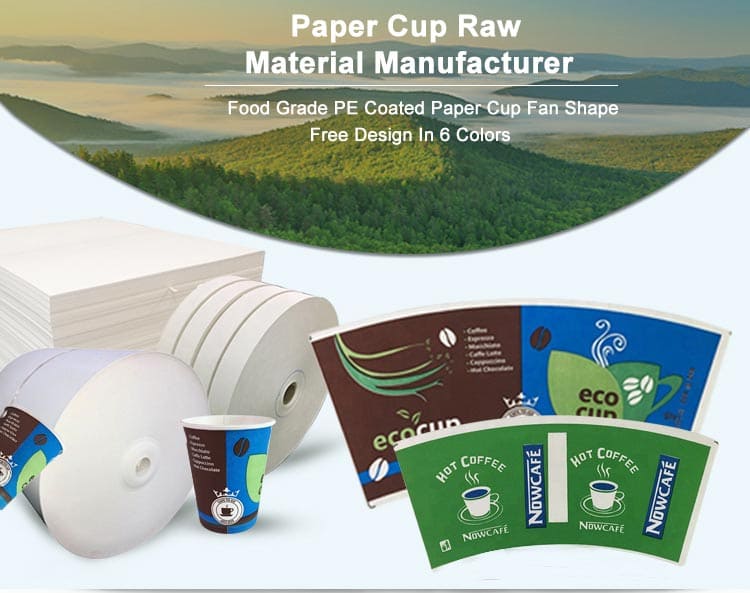
A paper cup may look simple, but it is actually a carefully engineered food-contact product. Most hot beverage paper cups consist of a paperboard base coated with a thin layer of polyethylene (PE) that provides water and grease resistance.
- Non-food-grade PE resin
- Recycled or contaminated paper fibers
- Poor manufacturing processes
- Excessive use of low-quality additives
- Inadequate printing materials
At room temperature, these issues may go unnoticed. However, once hot coffee or tea reaches temperatures between 80°C and 90°C, any residual odor can become much more noticeable.This is why premium paper cup manufacturers place great emphasis on raw material selection rather than focusing solely on production costs.
Food-Grade PE: The First Barrier to Safety
The PE coating inside a paper cup serves as a protective barrier between the beverage and the paperboard. Its quality has a significant impact on both safety and user experience.
Food-grade PE pellets are specifically designed for direct food contact. They offer:Excellent heat resistance,Stable performance at high temperatures,Low odor characteristics,Reliable sealing properties,Compliance with food-contact regulationsIn contrast, lower-grade PE materials may contain impurities that become noticeable when exposed to heat.
For this reason, experienced paper cup raw material suppliers carefully control the sourcing and processing of PE-coated paper. A stable coating layer not only prevents leakage but also helps maintain the original taste and aroma of the beverage.Many buyers focus primarily on paper weight or price. While these factors matter, the quality of the PE coating is equally important for long-term product performance.
Virgin Wood Pulp Makes a Difference
Another essential factor is the paper itself.
Virgin wood pulp paper is produced from fresh wood fibers rather than recycled paper sources. Because food and beverage packaging comes into direct contact with consumers, fiber purity plays a crucial role.
Compared with recycled pulp, virgin wood pulp generally offers:Better cleanliness,Lower odor levels,Higher strength,Improved printability,More consistent quality.
When a paper cup is filled with hot liquid, the paper structure is subjected to moisture and heat simultaneously. Virgin fibers maintain stability more effectively under these conditions.Many premium beverage brands therefore prefer virgin wood pulp cup paper, especially for coffee cups, tea cups, and other hot-drink applications.
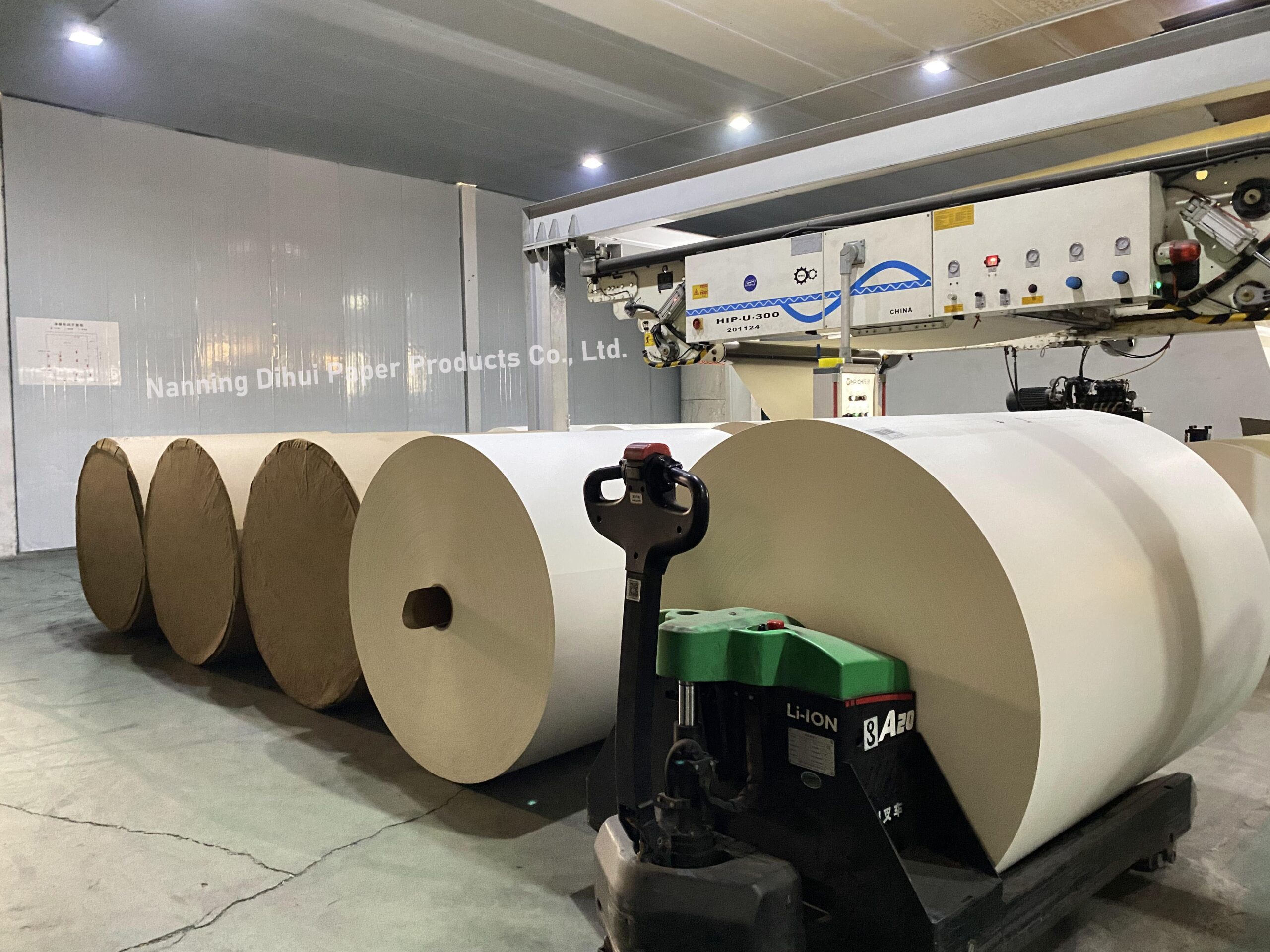
At Nanning Dihui Paper Products Co., Ltd., we work with well-known paper suppliers such as Sun Paper, APP, Five Star, Enso, Nine Dragons, Jingui Paper, and Yibin Paper. This allows us to provide customers with multiple paper options ranging from 150gsm to 320gsm according to their product requirements and market positioning.
Why Food-Grade PE Matters More Than Many Buyers Realize
Many buyers only evaluate paper cup materials based on price, paper weight, or coating thickness. However, the actual quality of the PE resin itself is often overlooked.We once worked with a customer who supplied disposable cups for a local coffee chain. Before contacting us, he had purchased PE-coated paper from another supplier. On paper, the specifications looked acceptable, but after production, a noticeable chemical odor appeared whenever hot beverages above 85°C were poured into the cups.
His customers immediately noticed the smell and questioned the quality of the cups. As a result, he began searching for alternative suppliers.After learning about the issue, our team at Nanning Dihui Paper Products Co., Ltd. prepared several sample materials using food-grade PE coating and arranged free testing samples. The customer conducted his own hot-water and coffee tests and reported a significant difference. The unpleasant odor disappeared, and the beverage retained its original flavor.
Several weeks later, he decided to switch part of his production to our materials and eventually became a long-term customer.
This experience highlights an important lesson: even when two materials appear similar on a specification sheet, differences in PE resin quality can become obvious under real-world conditions, especially with hot drinks.
How Buyers Can Evaluate Paper Cup Raw Materials
If you are sourcing paper cup fan materials, PE coated paper rolls, or cup bottom rolls, consider asking suppliers the following questions:
1. Is the PE coating made from food-grade resin?
A reliable supplier should be able to provide relevant material specifications and compliance information.
2. Is the paper made from virgin wood pulp?
Fiber quality directly affects odor, strength, and overall performance.
3. What paper brands are available?
Multiple sourcing options indicate stronger supply chain stability.
4. What printing inks are used?
Food-grade inks help minimize odor risks while supporting attractive designs.
5. Can samples be tested with hot beverages?
Real-world testing remains one of the most effective evaluation methods.
In fact, experienced buyers often conduct hot water testing at temperatures above 85°C before approving large-volume orders. This simple procedure can reveal issues that may not appear during normal inspections.