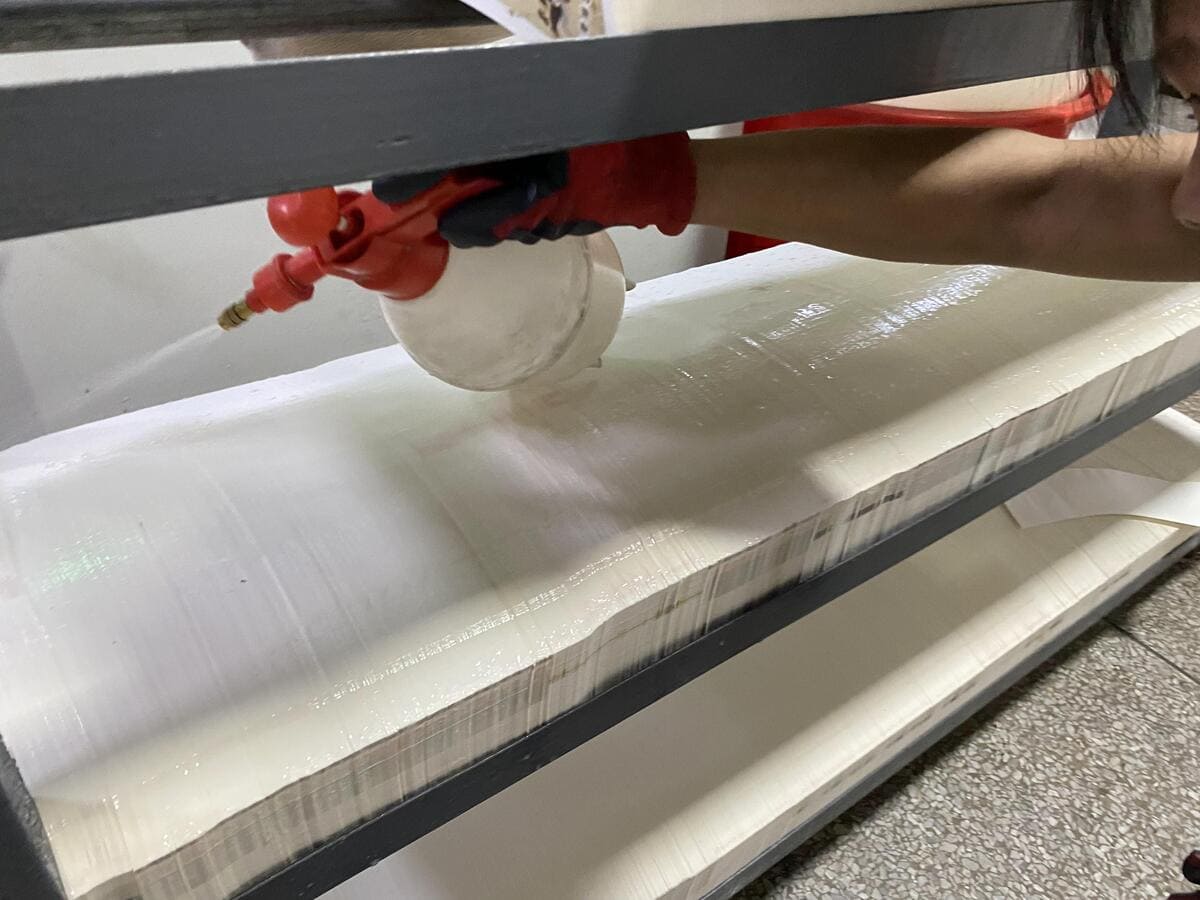
Timing of Spraying Water on Paper Cup Fans
In the paper cup manufacturing process, the spraying of water on paper cup fans is a common step used to improve forming performance during cup production. Proper moisture helps the paper fibers become more flexible, allowing the paper cup fan to be shaped smoothly by the cup forming machine. However, the timing and conditions of spraying water must be carefully controlled. Excessive moisture or unsuitable environmental conditions can negatively affect the strength, stability, and final quality of the paper cups.
However, the key is control. Too little moisture may not bring any benefit, while too much moisture can weaken the paper structure. Therefore, the spraying process must be carefully managed.
1. Environmental Conditions for Spraying Water
The environment where the spraying process takes place plays an important role. Temperature and humidity can influence how quickly the paper absorbs water and how evenly the moisture spreads across the surface.In most paper cup factories, spraying water is typically done at room temperature or close to normal indoor conditions.
Temperature
If the environment is too hot, water may evaporate too quickly before it can evenly penetrate the paper fibers. This can result in uneven moisture distribution, which may affect the forming quality.
If the environment is too cold, moisture may remain on the paper surface for too long, increasing the risk of excessive water absorption. Over-moist paper fans may lose stiffness and lead to unstable forming during production.
2. Timing of Spraying Water
Unlike some manufacturing steps that follow strict time standards, the spraying duration for paper cup fans does not have a universal fixed rule. The appropriate timing depends on several factors, including the paper type, thickness, absorbency, and the requirements of the cup forming process.For instance, common paper brands found on the market—such as Sun Paper, Five Star, APP Paper, and Enso Paper—have varying water-spray times. Each possesses its own specific technical parameters and standards; therefore, you will need to verify these details with your paper cup raw material supplier.
Paper Material and Thickness
Different paper grades behave differently when exposed to moisture. Thicker paper or paper with higher density may require slightly more time to absorb moisture evenly. Lighter paper may require less water and shorter spraying time.Paper cup fan materials with different coatings or fiber structures can also influence water absorption speed.
Observing the Paper Condition
Rather than relying solely on time, operators usually determine the correct spraying duration by observing the condition of the paper fan.
Spraying can generally be considered sufficient when:
-
The surface of the paper appears evenly moistened
-
No dry patches are visible
-
The paper remains flat and stable
-
There are no signs of excessive swelling or deformation
Visual observation helps operators adjust the spraying time according to real production conditions.
Avoiding Over-Spraying
One of the most common issues in paper cup production is excessive spraying.
Too much water can cause:
-
Reduced paper strength
-
Warping or curling of paper fans
-
Difficulties during cup forming
-
Reduced sealing performance in some cases
Over-moist paper can also slow down the production process because the paper may require additional time to stabilize before entering the forming stage.
Therefore, spraying should always be carefully controlled and kept within a moderate range.
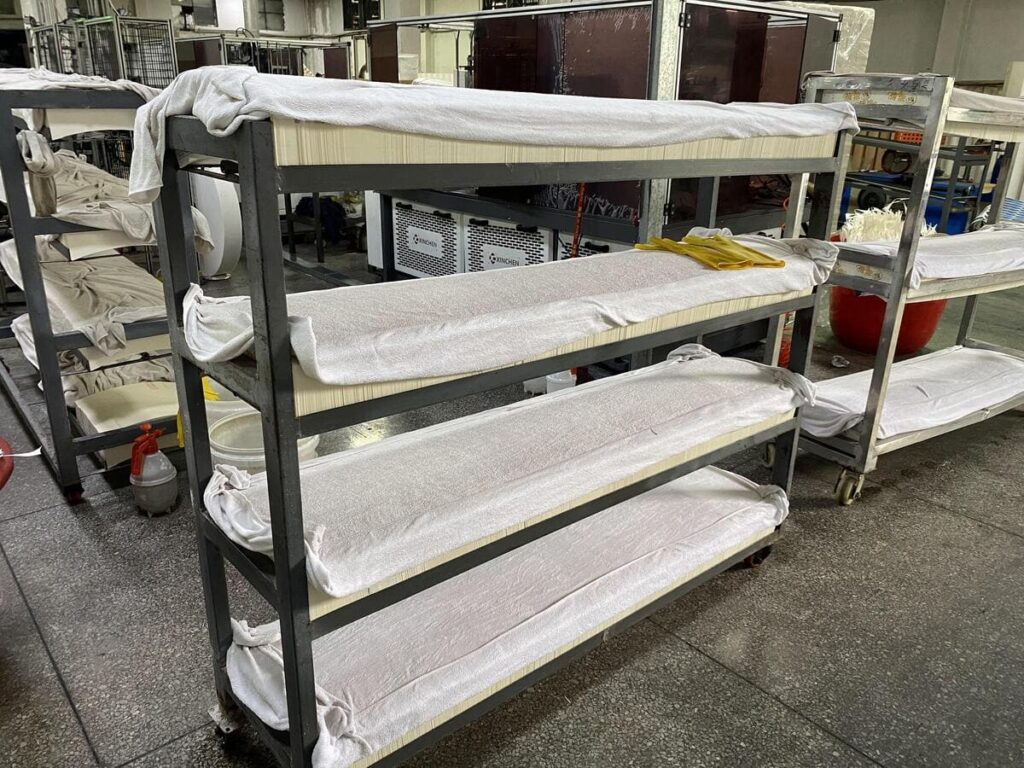
3. Important Operational Considerations
Differences Between Paper Suppliers
Paper cup fan materials supplied by different manufacturers may vary in terms of fiber composition, density, and coating technology. Because of these differences, the optimal spraying method and timing may also vary.There are also other types of paper that do not require water treatment—such as Jingui paper. These paper fan blanks can be used directly in a paper cup machine without the need for spraying water.
For this reason, manufacturers are encouraged to review product specifications or consult with their material suppliers when determining the appropriate spraying procedure.
Conducting small-scale production tests before full operation can also help identify the most suitable spraying conditions.Therefore, we can provide you with free paper cup fan samples for testing your machinery, as well as guidance on the appropriate wetting duration.
Process Quality Control
Spraying water may appear to be a simple step, but it has a direct impact on the stability of the cup forming process and the overall quality of the final product.
Proper quality control should include:
-
Monitoring spraying quantity and distribution
-
Maintaining stable environmental conditions
-
Training operators to recognize the correct moisture level
-
Regularly checking paper condition before forming
Consistent process control ensures that the paper fans maintain the ideal balance between flexibility and structural strength.
Conclusion
The timing of spraying water on paper cup fans is a practical and experience-based process rather than a strictly fixed procedure. Factors such as temperature, humidity, paper thickness, and material characteristics all influence how much moisture the paper requires.
By maintaining a suitable environment, carefully observing the paper condition, and avoiding excessive spraying, manufacturers can ensure smoother cup forming and more stable product quality.
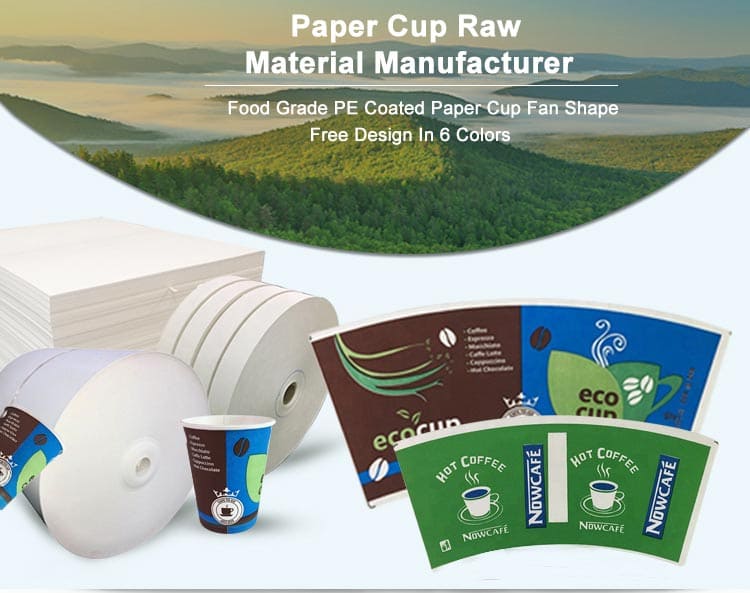
At Nanning Dihui Paper Products Co., Ltd., we support paper cup manufacturers with reliable raw materials and professional service. Our production capacity includes multiple printing machines capable of customized designs with up to six colors using flexographic and offset printing. We offer a wide range of paper options from 150–320 gsm and cooperate with well-known paper brands such as Sun Paper, Five Star, APP, Enso, Nine Dragons, Jingui Paper, and Yibin Paper.When customers purchase our materials, we are also willing to provide practical guidance on production details such as the recommended spraying time for paper cup fans, helping manufacturers achieve stable and efficient cup production.