Paper Cup Paper GSM and PE Coating Explained : Beginner Guide
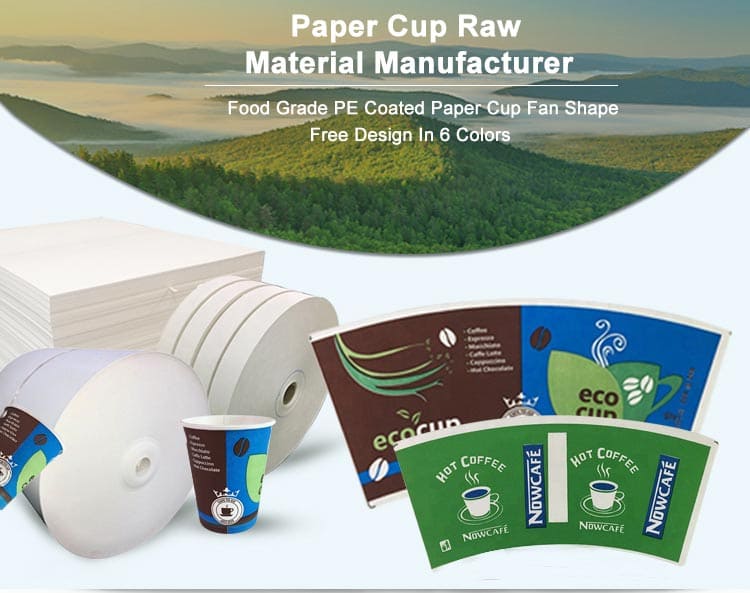
If you are planning to start a paper cup business, selecting the right paper cup paper is one of the most important steps. The GSM and PE coating of paper fan not only determine the cup’s strength, but also affect its waterproof performance and production stability. However, many beginners feel confused when choosing the correct paper cup fans because different hot and cold drink cups require different material specifications.
At Dihui Paper , we have helped many new clients successfully choose suitable paper cup raw material for their production. Therefore, based on our real manufacturing experience, this guide will help you understand how to select the proper GSM and food-grade PE coating for different types of paper cups.
What is GSM in paper cups material?
In the paper cup industry, it is the standard metric used to measure the weight and thickness of the paperboard. A higher GSM indicates a thicker, more rigid cup wall, which directly impacts the cup’s heat insulation and structural integrity.
-
GSM means grams per square meter
-
higher gsm = stronger paper
-
lower gsm = cheaper but weaker
-
must balance cost and strengthexample:If you want to produce 4oz paper cups, then 160gsm-180gsm paper is sufficient. If you want to produce 16oz paper cups, you will need 230gsm-260gsm paper to ensure the quality of the cups.Understanding GSM helps you choose a cup that feels premium in your customer’s hand—firm, reliable, and leak-proof—ensuring that your brand’s quality is felt with every sip.
What is PE coating and why is it important?
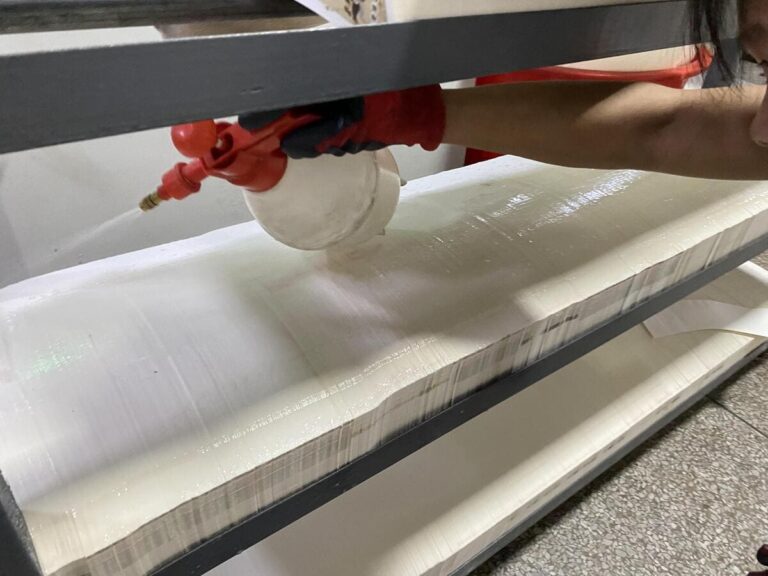
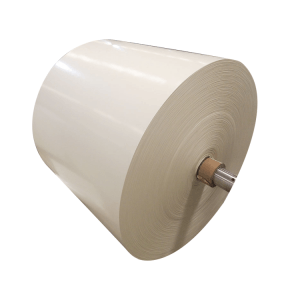
Polyethylene (PE) lining is a micro-thin protective layer bonded to the surface of cup fan stock. This specialized barrier is essential for maintaining the container’s structural integrity, allowing it to hold liquids securely without compromising safety. Without this protective film, the raw fibers would rapidly absorb moisture, leading to structural softening, seepage, and overall failure.
For temperature-specific applications:
-
Single-sided lining is the standard for hot beverages, providing an internal moisture shield.
-
Double-sided coating is vital for chilled drinks, as it protects against external condensation—the “sweating” that often causes untreated paper to fail.
At Dihui Paper, we offer custom extrusion weights ranging from 10 to 30 gsm, ensuring your packaging meets the highest standards of reliability and food-grade performance.Choosing the right coating isn’t just about functionality—it’s about User Experience. A cup that softens halfway through a drink reflects poorly on your brand’s quality.
Recommended GSM and PE coating for different cup sizes
| Hot Drink Cup size | Hot Drink Paper suggested | Cold Drink Cup size | Cold Drink Paper suggested | |
| 2oz | (150~170gsm)+15PE | 9oz | (190~230gsm)+15PE+12PE | |
| 3oz | (150~170gsm)+15PE | 12oz | (210~250gsm)+15PE+12PE | |
| 4oz | (160~180gsm)+15PE | 16oz | (230~260gsm)+15PE+15PE | |
| 6oz | (170~190gsm)+15PE | 22oz | (240~280gsm)+15PE+15PE | |
| 7oz | (190~210gsm)+15PE | 32oz | (280~320gsm)+15PE+18PE | |
| 9oz | (190~230gsm)+15PE | |||
| 12oz | (210~250gsm)+15PE |
Why double PE? Cold beverages generate external condensation that can compromise paper fibers. A dual-layer PE coating protects both the interior and exterior, preserving structural integrity and preventing soggy walls.
Common Mistakes Beginners Make When Choosing Paper Cup Raw Material
When selecting paper cup raw material, many beginners focus mainly on price but overlook important technical factors. However, choosing the wrong GSM or coating specification can lead to production issues, customer complaints, and unnecessary long-term costs. Based on our experience as a manufacturer of food-grade PE coated cup stock, these are the most common mistakes new producers should avoid.
1. Choosing Material with Insufficient GSM
Some beginners choose lower GSM material to reduce costs. However, paper that is too thin does not provide enough structural strength, especially for medium and large cup sizes. As a result, the finished cups may deform during forming, filling, or handling.
Based on our production experience, selecting the correct weight according to cup size is essential. For example, 7oz cups typically use 190–210gsm, while 12oz cups require 210–250gsm cup stock to ensure stability and better performance. Using the proper specification not only improves product quality but also reduces waste during manufacturing.
2. Using Single PE Coating for Cold Drink Cups
Another common mistake is using single PE coated material for cold drink applications. While single-side coating works well for hot beverages, it is not sufficient for cold drinks. This is because cold beverages create condensation on the outer surface.
Without outer layer protection, moisture can penetrate the base paper, causing softening and leakage. Therefore, double PE coated stock is strongly recommended for cold drinks such as juice, soda, and iced coffee. Double-side coating protects both surfaces and ensures reliable performance in humid environments.
3. Choosing Excessively Thick Paper Cup Material
On the other hand, some beginners believe thicker material always means better quality. However, excessive thickness increases production cost and may also reduce forming efficiency. In addition, heavier material increases shipping expenses.
In most cases, selecting the appropriate GSM based on cup size is the best solution. Our team helps customers choose cost-effective food grade cup stock paper that balances strength, performance, and cost. This ensures stable production while maintaining competitive pricing.
As an experienced supplier of PE coated cup stock and roll materials, Dihui Paper provides customized GSM and coating solutions based on your cup size, equipment, and market requirements. This helps new manufacturers avoid common mistakes and achieve consistent, high-quality production.
You can tell me about your situation and I’ll give you advice.We’ve helped many clients enter the paper cup industry.Please feel free to contact us!